
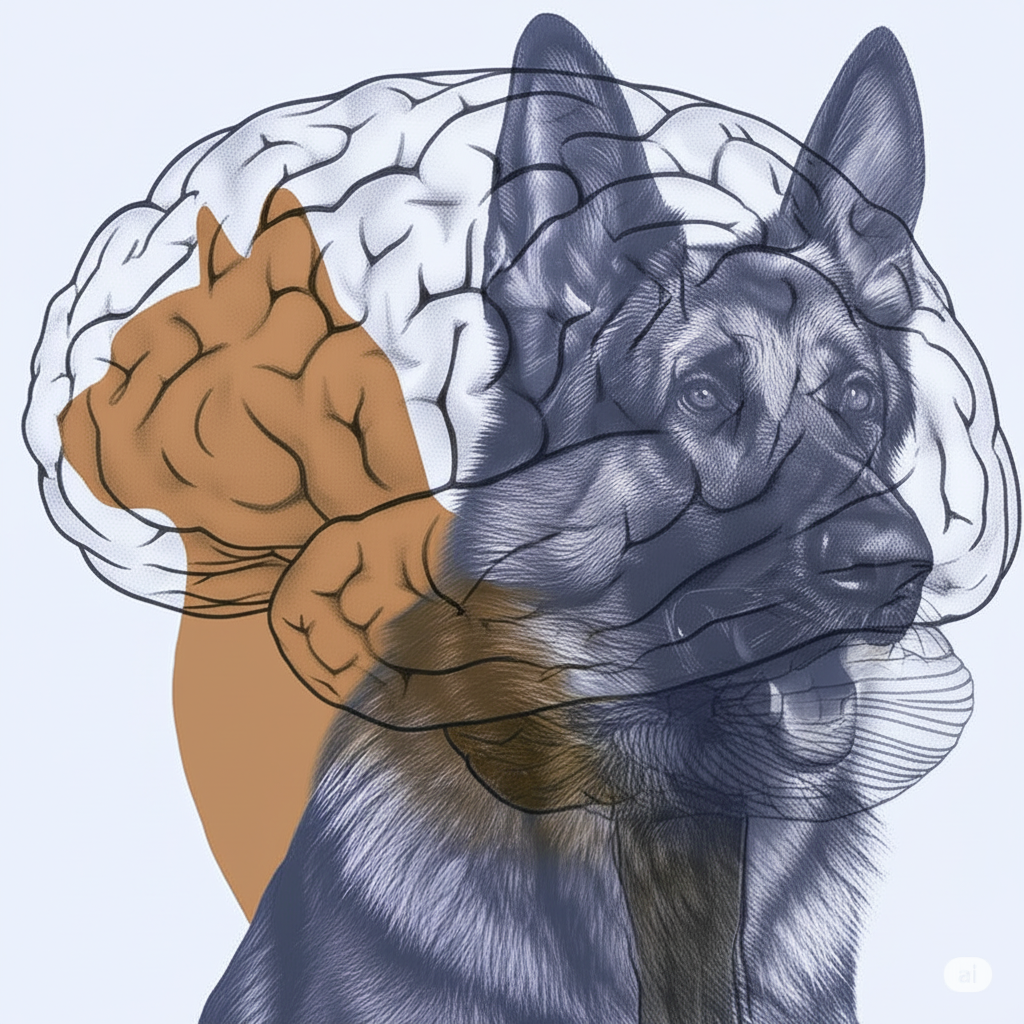
New Research Reveals Treatment Patterns for Canine Idiopathic Epilepsy in Primary Care
Canine idiopathic epilepsy affects approximately 0.6-0.75% of all dogs, making it one of the most common neurological conditions veterinarians encounter in primary practice. New research published in Frontiers in Veterinary Science provides unprecedented insights into how these cases are actually managed in real-world clinical settings.
Study Methodology and Key Findings
Researchers analyzed data from 1,038 dogs diagnosed with idiopathic epilepsy across multiple US primary care veterinary practices. This comprehensive study tracked treatment protocols, medication choices, and long-term outcomes, providing valuable benchmarks for clinical decision-making.
The study revealed significant variability in initial treatment protocols among primary care practitioners. Phenobarbital remained the most commonly prescribed first-line anticonvulsant, used in 68% of cases. However, dosing protocols varied considerably between practices.
Potassium bromide was selected as first-line therapy in 23% of cases, particularly for larger breed dogs. Levetiracetam was chosen as initial treatment in 12% of cases, often for patients with concurrent liver disease or when owners expressed concerns about potential behavioral side effects.
Critical Gaps in Monitoring
The research highlighted concerning gaps in therapeutic drug monitoring. Only 45% of dogs receiving phenobarbital had serum levels checked within the recommended 2-week window after starting therapy. This finding suggests significant opportunities for improved protocol adherence in primary practice settings.
Medication compliance emerged as a critical factor in treatment outcomes. Dogs with documented compliance issues were 3.2 times more likely to experience breakthrough seizures compared to compliant patients. This underscores the importance of comprehensive client education and structured follow-up protocols.
Treatment Success Rates
Dogs receiving consistent medication with appropriate monitoring achieved seizure reduction of 50% or greater in 72% of cases. However, when accounting for all enrolled patients including those with poor medication compliance, the success rate dropped to 58%.
Combination therapy became necessary in 34% of cases within the first year of treatment. The most common combinations included phenobarbital plus potassium bromide (18% of all cases) and phenobarbital plus levetiracetam (11% of all cases).
The study identified several treatment response predictors. Dogs with seizure onset between 1-5 years of age showed better overall control rates compared to those with very early or later onset seizures. Cluster seizures at presentation were associated with more challenging long-term management.
Clinical Implications
The research provides actionable insights for primary care veterinarians. The data strongly supports implementing standardized monitoring protocols, particularly for therapeutic drug levels and liver function parameters.
Cases with comprehensive seizure documentation maintained by owners showed better long-term management outcomes, likely due to more informed treatment adjustments over time.
Regarding breed predispositions, the data confirmed higher prevalence rates in Border Collies, Australian Shepherds, and Beagles, but also identified previously under-reported predispositions in mixed breeds with herding dog ancestry.
Economic and Quality of Life Considerations
Average annual treatment costs ranged from -,400 per patient over the first two years post-diagnosis, with monitoring bloodwork representing approximately 25% of total expenses. Emergency veterinary visits for breakthrough seizures occurred in 28% of cases during the study period.
Successfully controlled patients showed significantly improved activity levels and reduced anxiety behaviors, demonstrating the broader impact of effective seizure management on patient quality of life.
Practice Recommendations
Based on these findings, researchers recommend implementing standardized seizure monitoring protocols and client education materials to improve treatment compliance. Regular therapeutic drug monitoring schedules should be established and consistently followed.
The study also supports proactive client communication about realistic treatment expectations. While complete seizure elimination occurs in some patients, the goal of significant seizure reduction with maintained quality of life represents success for most epileptic dogs.
Only 15% of cases with poor seizure control were referred for specialized evaluation, suggesting potential opportunities for improved patient outcomes through earlier neurologist involvement when initial treatments prove inadequate.
Official Sources
- Frontiers in Veterinary Science Research Article
- American College of Veterinary Internal Medicine Consensus Statements
- Veterinary Information Network Neurology Resources
Related VetOnIt CE Content
- Seizure Disorders in Small Animals: Diagnosis and Treatment - Comprehensive neurology course covering epilepsy management protocols
- Therapeutic Drug Monitoring in Veterinary Practice - Essential pharmacology principles for optimal patient outcomes
- Emergency Neurology: When to Worry - Critical care approaches to neurological emergencies
This research provides valuable insights into real-world epilepsy management in primary care settings. For veterinarians seeking to enhance their neurology knowledge, VetOnIt CE offers specialized continuing education courses designed to improve patient outcomes through evidence-based practice.