
Upcoming CE on This Topic\n\n> Register for Clinical Updates from VetOnIt CE\n> Join our upcoming CE programming for practical food safety updates, recall response protocols, and client communication frameworks relevant to companion animal practice teams.\n\n# FDA Pet Food Recall: Thiamine Deficiency in Cat Food Highlights Nutritional Safety Concerns
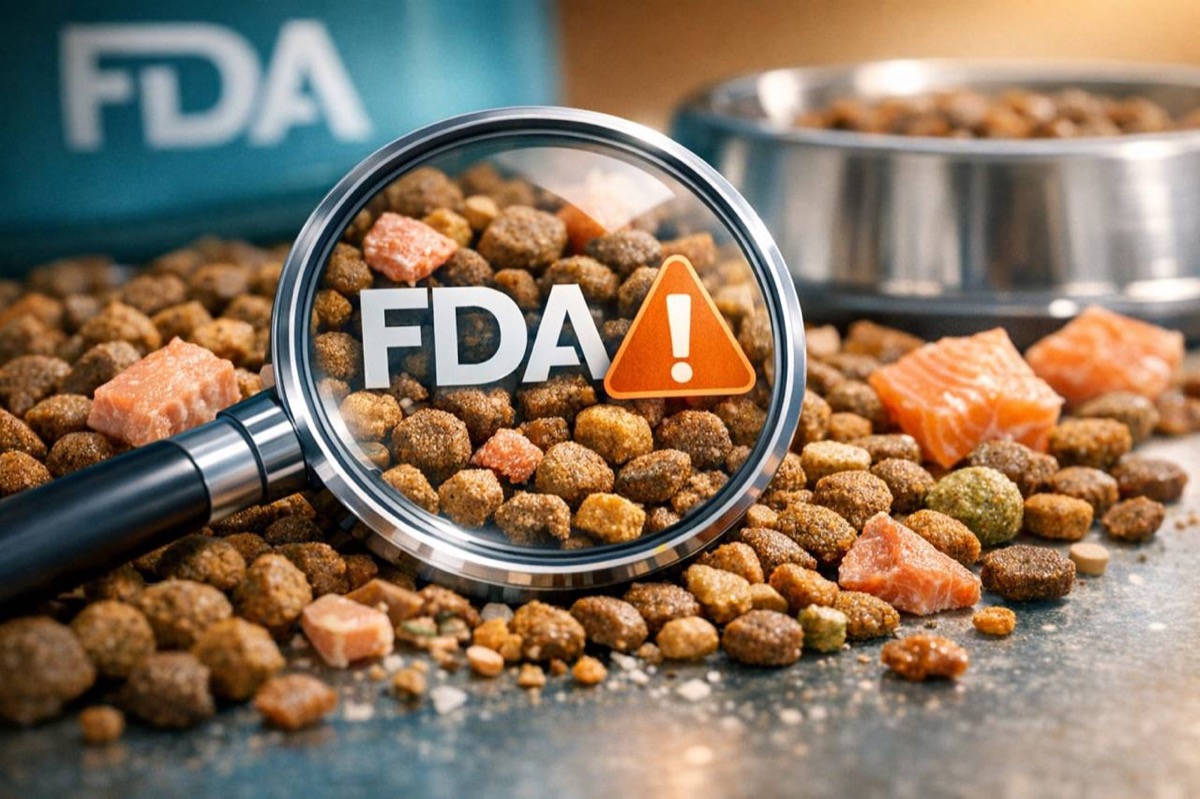
The U.S. Food and Drug Administration announced a significant pet food recall on February 17, 2026, involving Quest Cat Food Chicken Recipe Freeze Dried Nuggets due to insufficient thiamine (vitamin B1) levels. This recall, affecting products sold across 10 states, underscores the critical importance of nutritional adequacy in commercial pet foods and the serious health consequences of vitamin deficiencies in cats.
Unlike typical recalls involving bacterial contamination, this incident highlights how nutritional deficiencies can pose substantial health risks to companion animals, requiring immediate veterinary attention and dietary intervention.
Clinical CE on Nutritional Medicine
Register for Internal Medicine CE with Dr. Laura Motschenbacher Advanced diagnostic approaches for nutritional deficiencies and metabolic disorders in small animal practice.
Understanding the Recall Details
Go Raw LLC voluntarily recalled a single lot of Quest Cat Food Chicken Recipe Freeze Dried Nuggets after receiving reports of illness potentially associated with the product. The affected 10-ounce bags carry lot code C25288 with a Best Buy Date of October 15, 2027.
Laboratory testing conducted by a treating veterinarian revealed thiamine levels below required amounts for feline diets. Subsequent company testing confirmed the lot failed to meet essential thiamine requirements established by the Association of American Feed Control Officials (AAFCO) for complete and balanced cat foods.
The recalled products were distributed to retail stores in Colorado, Utah, Washington, Oregon, Pennsylvania, Rhode Island, Michigan, California, Texas, and Illinois.
Clinical Significance of Thiamine Deficiency
Thiamine (vitamin B1) serves as an essential cofactor in carbohydrate metabolism and nervous system function. Cats have particularly high thiamine requirements compared to other species, making them vulnerable to rapid deficiency development when dietary intake proves inadequate.
Early Clinical Signs
Veterinarians should monitor for these initial thiamine deficiency symptoms:
- Decreased appetite and food aversion
- Excessive salivation during feeding attempts
- Vomiting after meals or treats
- Growth failure in kittens and young cats
- Progressive weight loss despite adequate caloric intake
Advanced Neurological Manifestations
Without dietary correction, thiamine deficiency progresses to severe neurological signs:
- Ataxia and gait abnormalities
- Muscle weakness and tremors
- Seizures and altered mental status
- Permanent brain damage in severe cases
Diagnostic Considerations
Clinical diagnosis relies primarily on dietary history and response to thiamine supplementation. Traditional laboratory testing for thiamine levels requires specialized techniques not readily available in most veterinary practices.
Key diagnostic approaches include:
- Comprehensive dietary assessment of all food sources, treats, and supplements
- Timeline correlation between diet changes and symptom onset
- Therapeutic trial with thiamine supplementation under veterinary supervision
- Neurological examination focusing on proprioceptive deficits and cranial nerve function
Manufacturing and Quality Control Implications
According to food safety expert Vanessa Balagot, this recall demonstrates that food safety extends beyond bacterial contamination to include nutritional adequacy. The thiamine deficiency likely resulted from gaps in formulation, ingredient handling, or manufacturing processes.
“This could point to a gap in the checks that are meant to confirm the product is hitting its nutrition targets, which is why routine testing and verification are so important,” Balagot explained to NTD News.
The incident highlights potential vulnerabilities in freeze-drying processes, where heat-sensitive vitamins may degrade without proper monitoring and post-processing fortification.
Prevention and Client Education
Veterinary teams should educate clients about several protective measures:
Diversified Feeding Strategies
While many owners prefer feeding single-brand diets, rotating between reputable manufacturers reduces exposure risk when quality control issues affect specific production runs.
Label Verification
Clients should verify that pet foods display AAFCO nutritional adequacy statements confirming the product provides complete and balanced nutrition for the intended life stage.
Monitoring for Changes
Pet owners should report any behavioral or appetite changes following diet transitions, even with premium or specialty products.
Clinical Treatment Protocols
For confirmed or suspected thiamine deficiency cases:
Immediate Treatment: Thiamine hydrochloride administration (50-100mg intramuscularly daily for 3-5 days, then oral supplementation)
Dietary Management: Transition to confirmed nutritionally adequate commercial diets or veterinary therapeutic foods
Monitoring: Weekly weight checks and neurological assessments during the first month of treatment
Follow-up: Long-term monitoring for permanent neurological deficits in severe cases
Broader Food Safety Context
This recall occurred two months after Fromm Family Foods recalled BeefiBowls products due to plastic contamination concerns, demonstrating the variety of quality control challenges affecting the pet food industry.
The FDA’s Center for Veterinary Medicine maintains strict oversight of commercial pet foods, requiring manufacturers to follow food safety controls similar to human food production standards.
Reporting and Response Protocols
Veterinarians encountering suspected food-related illnesses should:
- Document clinical findings thoroughly, including dietary history and timeline
- Contact the manufacturer to report suspected adverse events
- Submit reports to the FDA’s Safety Reporting Portal when appropriate
- Preserve food samples for potential laboratory analysis
Rapid reporting enables early detection of emerging food safety issues and helps protect broader animal populations from similar exposures.
Stay Current with Food Safety Updates
Access VetOnIt’s Continuing Education Resources Comprehensive CE covering clinical nutrition, food safety, and diagnostic medicine for modern veterinary practice.
VetOnIt CE provides evidence-based continuing education that keeps veterinary professionals informed about emerging health threats and clinical best practices. Our science-led approach ensures you receive unbiased, clinically relevant content that directly benefits patient care.
Additional Sources for this article: FDA recall database, AAFCO pet food labeling and nutrient resources, and Merck Veterinary Manual overview of thiamine deficiency.
Continue Your Learning Journey
Explore VetOnIt CE on-demand courses Access current CE sessions focused on safety alerts, nutritional risk communication, and evidence-based protocols your team can use when advising clients during active recall events.