
The Future of Veterinary Diagnostics: From Nuclear Medicine to Pocket Tools
Published: [Date to be inserted] Author: [Author to be inserted]
The landscape of veterinary diagnostics is experiencing a profound transformation. While sophisticated nuclear medicine facilities push the boundaries of precision oncology, portable diagnostic tools are democratizing advanced imaging capabilities for field practitioners. This evolution—from million-dollar installations to pocket-sized scanners—represents more than technological progress; it signals a fundamental shift in how veterinary medicine delivers diagnostic excellence across diverse practice settings.
The High-Tech Frontier: Missouri’s Nuclear Medicine Breakthrough
In February 2026, the University of Missouri achieved a landmark milestone: the first in-person clinical trial using a leading-edge radiopharmaceutical therapy manufactured entirely on campus at their research reactor. This achievement showcases the extraordinary breadth of research capabilities that can bring a radiopharmaceutical from development through testing to human clinical trials—all from one university¹.
“This clinical trial is significant for Mizzou because it shows the power of our campus research,” said University of Missouri President Mun Choi. "We have the nation’s largest university research reactor and unmatched research facilities in veterinary medicine, at our School of Medicine, and at NextGen Precision Health. This allows our faculty and researchers to partner with industry to develop and test ground-breaking treatments and get them to patients faster."¹
Eye90 Microspheres: From Veterinary Research to Human Trials
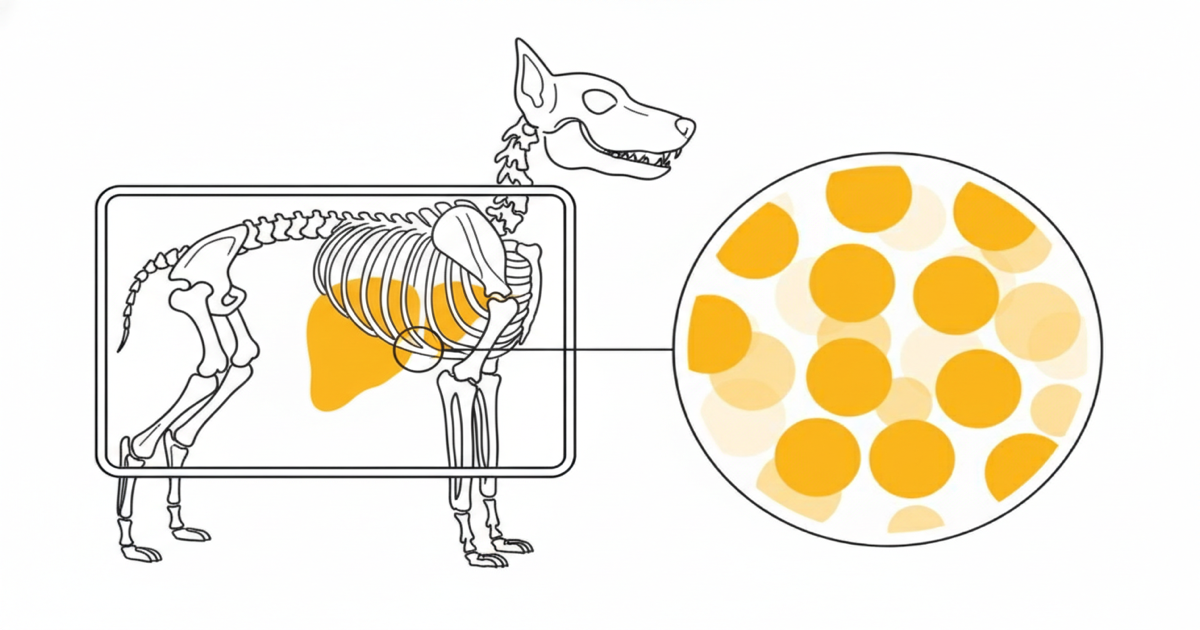
The breakthrough centers on Eye90 microspheres—radiopaque glass beads embedded with the radioisotope yttrium-90 (Y-90) used to treat unresectable liver tumors, including hepatocellular carcinoma and metastatic colorectal cancer. What sets Eye90 apart is its unique design: engineered for precise visualization during delivery, it enables interventional radiologists to accurately target liver tumors with localized radiation therapy while minimizing exposure to surrounding healthy tissue¹.
Critically, veterinary research made this human trial possible. Dr. Jeffrey Bryan, professor of oncology at Missouri’s College of Veterinary Medicine and associate director of comparative oncology at Ellis Fischel Cancer Center, served as principal investigator on the initial studies. He led research in small animal models demonstrating that the microspheres performed well in living animals, then conducted a clinical trial in dogs with hepatocellular carcinoma—monitoring treatment effectiveness and safety using the MU Veterinary Health Center’s PET Imaging Center¹.
The Research Reactor Advantage
Missouri’s capabilities stem from unique infrastructure: the University of Missouri Research Reactor (MURR) is the only domestic source of Y-90 and creates the microspheres for the clinical trials. “We are proud to support ground-breaking advancements in nuclear medicine,” said Matt Sanford, MURR executive director. "By leveraging our expertise in radioisotope production, we are helping bring innovative cancer treatments from laboratory to the clinic, offering new hope for cancer patients."¹
This comparative oncology approach—where naturally occurring cancers in pets inform treatment strategies for both animals and humans—exemplifies how veterinary medicine drives innovation across species.
The Portable Revolution: Diagnostics in Your Hand
While Missouri exemplifies the pinnacle of institutional diagnostic capability, the opposite end of the spectrum—ultra-portable diagnostic tools—is equally transformative. The evolution of handheld ultrasound technology represents perhaps the most significant democratization of diagnostic imaging in veterinary medicine’s history.
A Pocket-Sized Tool With Life-Saving Potential for Horses
Perhaps no example better illustrates the democratization of diagnostics than recent research from Auburn University’s College of Veterinary Medicine. Dr. Serena Ceriotti, assistant professor in large animal emergency and critical care, is developing a pocket-sized device—approximately the size of a glucose meter—that can detect sepsis in horses within seconds².
When a horse becomes suddenly and severely ill with sepsis, time is critical. Organ failure or death can result within hours or days. Traditional sepsis confirmation often requires specialized, costly lab equipment. Ceriotti’s research focuses on measuring cell-free hemoglobin (CFH), a substance that leaks into the bloodstream when red blood cells break down during sepsis².
“CFH is a signal that your body would release when it’s threatened by infection in a severe way,” Ceriotti explains. "It can be used stall-side. I think that’s why The Foundation for the Horse liked the project, because it’s really applicable to practitioners."²
The handheld device already exists for hospitalized human patients; Ceriotti’s research aims to validate its use in horses, potentially giving field veterinarians an affordable, time-efficient tool that could save lives. “The earlier the treatment, the more effective and cheaper it can be,” she notes. "Even if I save one [horse], that makes a lot of difference to me."²
Point-of-Care Ultrasound: The New Stethoscope
Modern portable veterinary ultrasound systems have evolved far beyond their bulky predecessors. Current devices like the Butterfly iQ3 Vet offer instant startup, high-resolution imaging, and extended battery life specifically designed for busy clinical environments³. Companies like Clarius provide wireless scanners that eliminate cables entirely, allowing unprecedented freedom of movement around patients⁴.
For equine practitioners, portability becomes even more critical. As Esaote notes, "In equine veterinary medicine, portability is the key. A long-lasting battery and quick response time are essential for conducting multiple exams and accommodating the demanding schedules of freelancers and field sonographers"⁵.
Artificial Intelligence Integration
The integration of artificial intelligence into portable diagnostics represents the convergence of high-tech capabilities with field-friendly form factors. According to recent market analysis, veterinary AI diagnostics are addressing real clinical challenges: "Clinics are facing heavier daily volumes and reduced specialist availability, so AI tools that speed up image review, cut repeat tests, and support routine triage are becoming part of core clinical work"⁶.
A comprehensive review published in 2024 found that AI applications in veterinary diagnostics span multiple modalities, with radiography and cytology each representing 33% of studied applications, followed by MRI, environmental data analysis, and ultrasound⁷. This breadth demonstrates AI’s potential to enhance diagnostic accuracy across virtually every imaging modality veterinarians use.
Point-of-Care Testing Beyond Imaging
The portable diagnostic revolution extends beyond imaging into rapid laboratory testing. The veterinary point-of-care diagnostics market is projected to reach $7.23 billion by 2034, driven by the integration of AI and automated diagnostic tools⁸. Recent innovations include advanced glucose and lactate analyzers like EKF Diagnostics’ Biosen C-Line, launched in July 2024, which exemplifies how traditional laboratory tests are becoming chairside procedures⁶.
Bridging the Gap: Practical Implications for Veterinary Practice
The contrast between Missouri’s sophisticated nuclear medicine capabilities and the proliferation of portable diagnostic tools illustrates a fundamental truth: excellent diagnostics aren’t defined by equipment cost but by appropriate application of available technology.
High-Tech Applications in Specialized Settings
Advanced facilities like Missouri’s serve crucial roles in:
Complex Oncology Cases: Radiomics and nuclear medicine provide unprecedented precision for challenging cancers where standard treatments have failed.
Comparative Research: University settings with advanced imaging capabilities drive innovation that eventually benefits all veterinary patients.
Dosimetry Development: Precise radiation measurement techniques developed in research settings will ultimately improve treatment protocols across specialties.
Portable Solutions for Daily Practice
Portable diagnostic tools excel in scenarios requiring:
Emergency Assessments: Handheld ultrasound can immediately assess trauma patients, cardiac function, and fluid accumulation without transport delays.
Field Diagnostics: Equine and large animal practitioners gain diagnostic capabilities previously requiring referral to specialty centers.
High-Volume Clinics: AI-assisted point-of-care tools reduce specialist dependency and speed routine diagnostic workflows.
Implementation Strategies for Modern Veterinary Practice
Evaluating Your Diagnostic Needs
Before investing in new diagnostic technology, consider:
- Patient Demographics: What conditions do you encounter most frequently?
- Referral Patterns: Which diagnostic limitations currently require specialist referral?
- Workflow Integration: How will new technology fit existing clinical processes?
- Training Requirements: What education will your team need for effective implementation?
Building Diagnostic Competency
Whether implementing portable ultrasound or interpreting advanced imaging studies, success depends on proper training. Key considerations include:
Practical Clinical Training: Portable devices require different scanning techniques than cart-based systems.
Image Interpretation: AI-assisted diagnostics still require veterinary expertise for clinical decision-making.
Quality Assurance: Establish protocols for equipment maintenance and image quality assessment.
Cost-Benefit Analysis
While advanced diagnostics require significant investment, consider the broader economic impact:
Reduced Referrals: In-house capabilities can retain cases that might otherwise require specialist referral.
Improved Outcomes: Earlier, more accurate diagnosis often reduces overall treatment costs.
Client Satisfaction: Advanced diagnostic capabilities enhance practice reputation and client trust.
Ethical Considerations in Advanced Diagnostics
As highlighted in recent veterinary AI literature, the integration of sophisticated diagnostic tools raises important ethical considerations⁹. Key principles include:
Transparency: Clients should understand when AI assists diagnostic decisions.
Human Oversight: Technology should enhance, not replace, veterinary clinical judgment.
Access Equity: Advanced diagnostics shouldn’t create unacceptable disparities in care quality.
Continuing Education: Practitioners must stay current with evolving diagnostic capabilities and limitations.
Looking Forward: The Convergence of Technologies
The future of veterinary diagnostics likely lies not in choosing between high-tech and portable solutions, but in their thoughtful integration. We can envision:
Networked Diagnostics: Portable devices connected to cloud-based AI systems that provide specialist-level interpretation guidance.
Telemedicine Integration: Advanced imaging capabilities combined with remote consultation to extend specialist expertise.
Predictive Analytics: AI systems that anticipate disease progression and optimize treatment timing.
Practical Takeaways for Veterinary Professionals
-
Start Small: Begin with portable diagnostic tools that address your most common clinical challenges.
-
Invest in Training: Technology is only as good as the practitioner using it—prioritize education alongside equipment purchases.
-
Maintain Core Skills: Advanced diagnostics should complement, not replace, fundamental clinical examination skills.
-
Plan for Integration: Consider how new diagnostic capabilities will fit your existing workflows and client communication strategies.
-
Stay Current: Diagnostic technology evolves rapidly—commit to ongoing education to maximize your investment.
-
Network Actively: Build relationships with specialists who can provide consultation on complex cases, regardless of your in-house diagnostic capabilities.
Conclusion: Embracing Diagnostic Excellence Across All Settings
The stories of Missouri’s nuclear medicine innovations and the proliferation of portable diagnostic tools aren’t competing narratives—they’re complementary chapters in veterinary medicine’s ongoing evolution toward more precise, accessible, and effective patient care.
Whether your practice operates from a million-dollar imaging suite or relies on handheld devices in field settings, the fundamental goal remains constant: providing accurate, timely diagnostic information that improves patient outcomes. The tools may differ dramatically in sophistication and cost, but the commitment to diagnostic excellence remains universal.
As we move forward, the most successful veterinary practices will be those that thoughtfully integrate appropriate diagnostic technologies while maintaining the clinical acumen and human expertise that remain central to excellent patient care.
Enhance Your Diagnostic Skills with VetOnIt CE
Ready to advance your diagnostic capabilities? Join us for upcoming continuing education opportunities:
Neurology In A Nutshell - February 21, 2026
Master essential diagnostic techniques and common neurological conditions with Dr. Susan Arnold, a board-certified veterinary neurologist. This practical 4-hour course covers fundamental diagnostic approaches for general practitioners.
Inside Out: Veterinary Internal Medicine CE - March 21, 2026
Expand your internal medicine diagnostic skills with Dr. Laura Motschenbacher in this comprehensive continuing education program.
Visit VetOnIt CE to register for these and other courses designed to keep you at the forefront of veterinary diagnostic excellence.
References
-
University of Missouri. (2026, February 10). University of Missouri conducts first in-person clinical trial for nuclear medicine breakthrough device. Retrieved from https://cvm.missouri.edu/university-of-missouri-conducts-first-in-person-clinical-trial-for-nuclear-medicine-breakthrough-device/
-
Auburn University College of Veterinary Medicine. (2026, February 10). A pocket-sized tool with life-saving potential for horses. Retrieved from https://www.vetmed.auburn.edu/blog/cvm-news/a-pocket-sized-tool-with-life-saving-potential-for-horses/
-
Butterfly Network. (2024). Customized Veterinary POCUS Solution | iQ3 Vet. Retrieved from https://vet.butterflynetwork.com/
-
Clarius Mobile Health. (2025). Veterinary Ultrasound | Portable Scanners for All Exams. Retrieved from https://clarius.com/specialties/veterinary/
-
Esaote. (2024). Equine ultrasound: veterinary clinical solutions. Retrieved from https://www.esaotevet.com/en-US/veterinary-ultrasound/clinical-solutions/equine/
-
Grand View Research. (2024). Veterinary AI Diagnostics Market Size | Industry Report, 2033. Retrieved from https://www.grandviewresearch.com/industry-analysis/veterinary-ai-diagnostics-market-report
-
National Center for Biotechnology Information. (2024). Review of applications of deep learning in veterinary diagnostics and animal health. PMC. Retrieved from https://pmc.ncbi.nlm.nih.gov/articles/PMC11938132/
-
Precedence Research. (2025). Veterinary Point of Care Diagnostics Market Size to Hit USD 7.23 Bn by 2034. Retrieved from https://www.precedenceresearch.com/veterinary-point-of-care-diagnostics-market
-
ScienceDirect. (2024). Artificial intelligence in veterinary diagnostic imaging: Perspectives and limitations. Research in Veterinary Science, 175. Retrieved from https://www.sciencedirect.com/science/article/pii/S0034528824001838
Word count: Approximately 1,950 words