
Nature's Own Pet Chews Bully Bites Recalled: Potential Salmonella Contamination
Nature's Own Pet Chews Bully Bites 1 Pound dog treats recalled due to Salmonella contamination in four lots distributed in Minnesota and Wisconsin.

Nature's Own Pet Chews Bully Bites 1 Pound dog treats recalled due to Salmonella contamination in four lots distributed in Minnesota and Wisconsin.

Current guidelines put topical therapy first for superficial bacterial skin infections.

Recognizing acute and insidious forms of ERU, understanding breed predispositions, and implementing aggressive treatment protocols to preserve equine vision.

Addressing the underlying cause is the key to breaking the cycle of recurrent otitis.

How to differentiate simple from complicated equine corneal ulcers, manage cases in general practice, and recognize red flags for ophthalmology referral.

Two-thirds of veterinarians say financial limitations contribute to burnout. Economic euthanasia, moral distress, and the daily weight of cases you couldn't save. What resilience actually looks like, and when euthanasia is the right call.
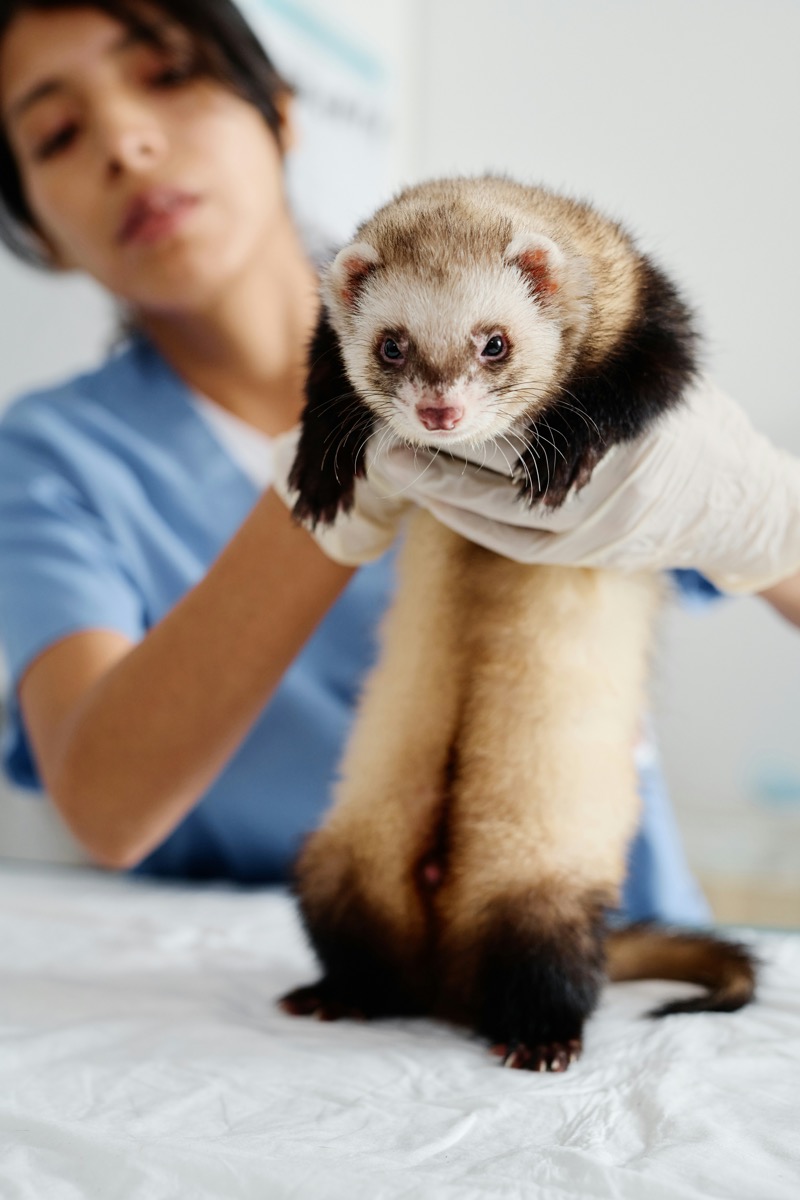
Incremental care isn't cutting corners—it's sequencing diagnostics based on clinical priority and what will actually change your plan. Follow Buddy the Maltese through a real case of stepwise workup from UTI to urinary calculi.
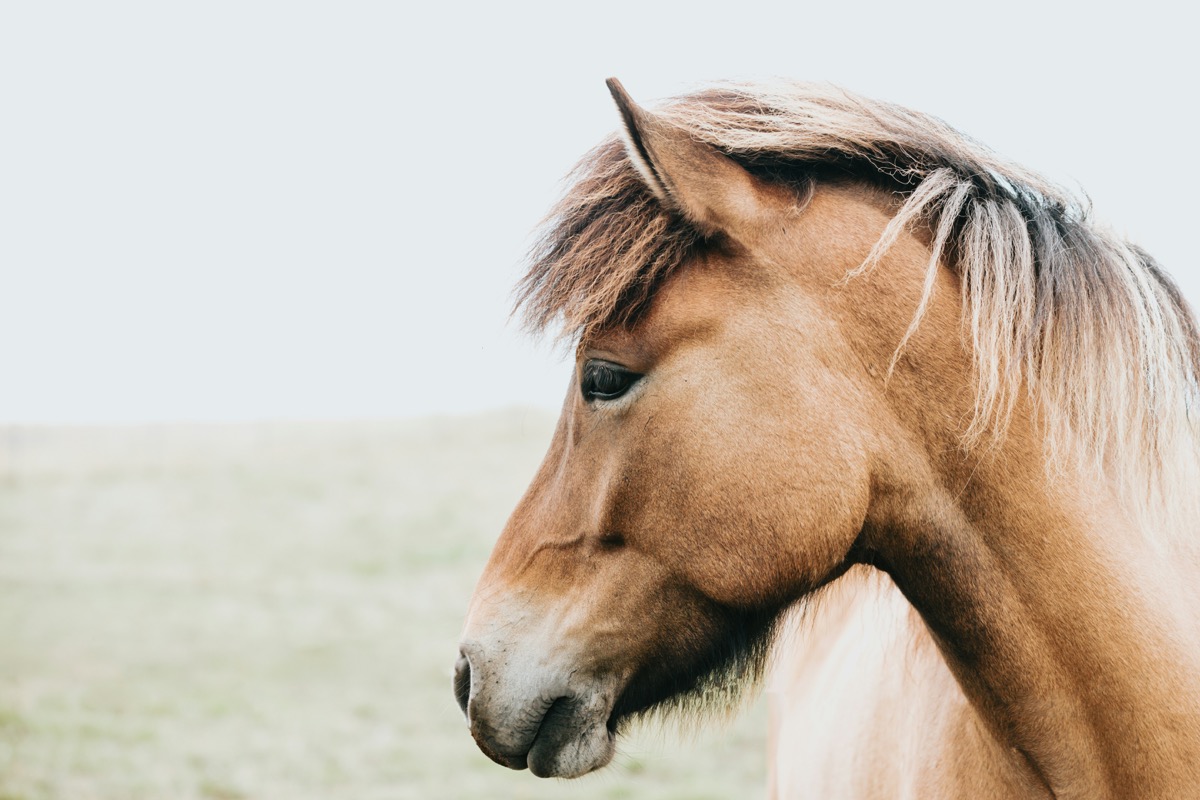
Horses have nearly 360-degree vision and sharper acuity than dogs or cats. Understanding equine visual fields, blind spots, and accommodation helps field veterinarians evaluate behavior, perform better ocular exams, and catch progressive conditions early.

Money is the third most common stressor for veterinarians, and cost conversations often drive burnout. Practical communication strategies like separating care from cost, chunk-and-check explanations, and non-judgmental delivery can transform these discussions for your team and your clients.
A GP-focused guide to brain tumors in dogs, treatment options, and emerging immunotherapy research.

Why that Friday afternoon UTI is the perfect test case for antimicrobial stewardship, with ISCAID guidelines and global resistance data.
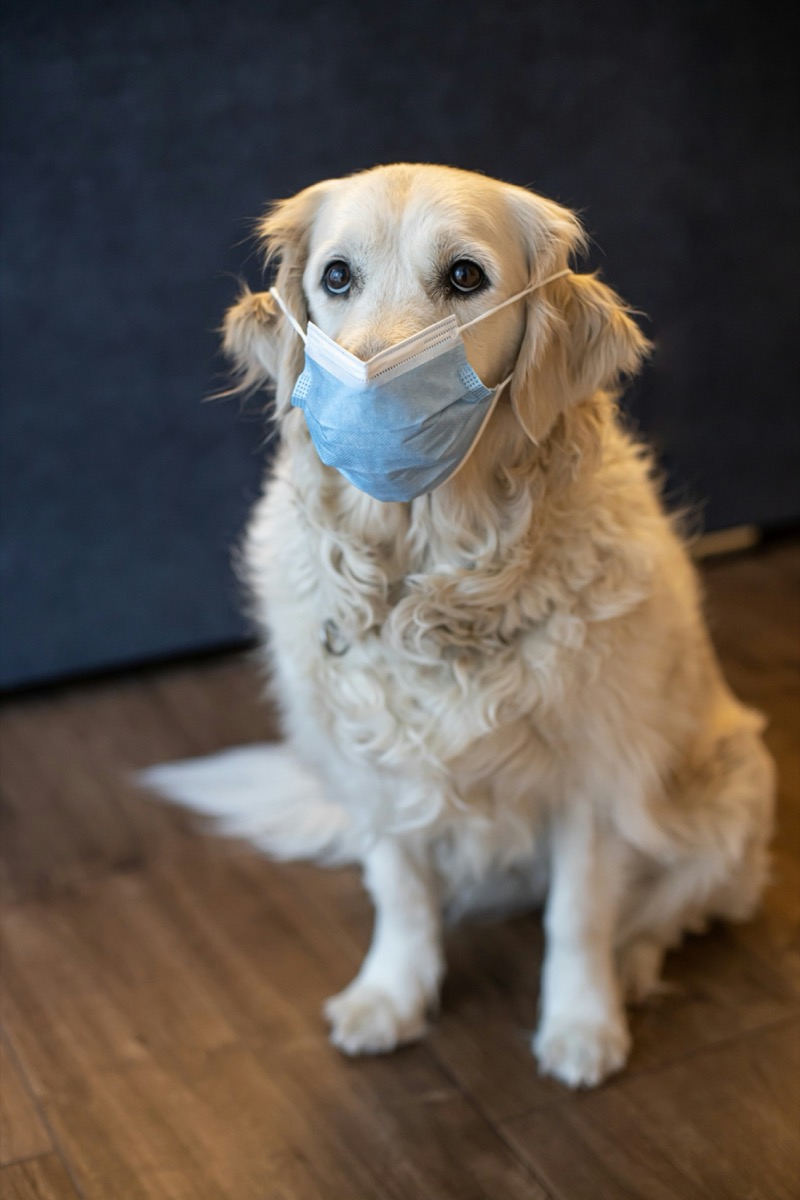
A practical decision framework for GP vets managing intervertebral disc disease, based on ACVIM consensus data with outcome percentages by severity grade.
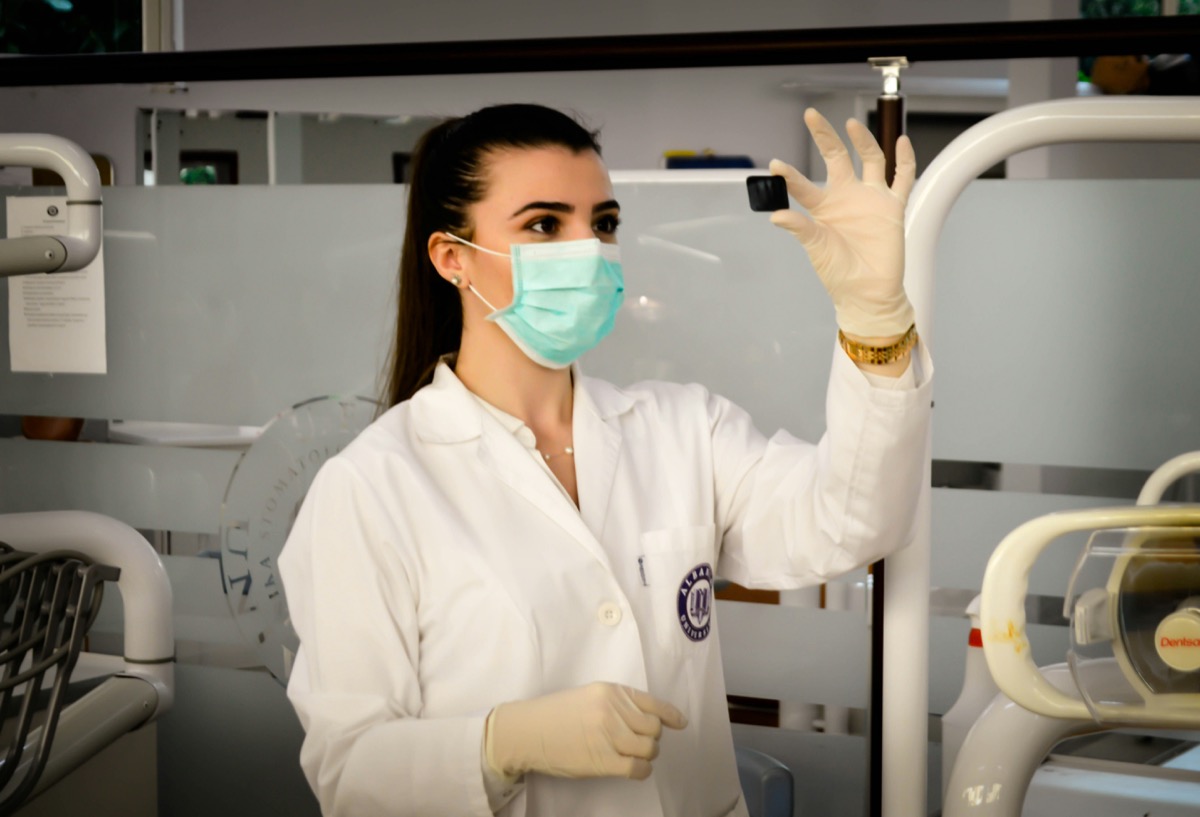
How errors before the sample reaches the analyzer can mimic serious conditions. Case-based examples with actionable fixes.

When "gold standard" isn't an option, what comes next? Data shows 57% of veterinarians alter treatment plans daily due to client financial limitations. The spectrum of care approach offers a continuum between gold standard and economic euthanasia, giving more pets a chance while protecting veterinary teams from burnout.